In today’s fragmented digital landscape, going viral isn’t luck, it’s the result of smart strategy, cultural awareness, and content people want to share. The best marketing campaigns no longer just sell products, they create moments, conversations, and communities.
Below are my top five characteristics of a viral marketing initiative, supported by current examples and the tools (widgets, plug-ins, and features) that help amplify them.
1. Emotional Connection That Sparks Action
At the core of every viral campaign is emotion. Whether it’s humor, inspiration, nostalgia, or even shock, emotion is what drives the excitement of a campaign going viral.
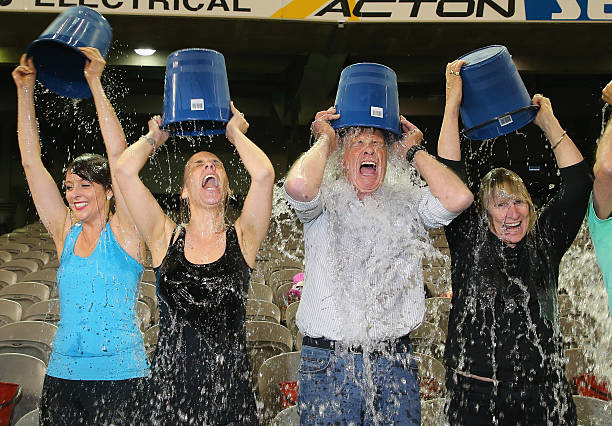
Remember the ALS Ice Bucket Challenge?!
This campaign combined empathy and fun, driving over 17 million participants and massive global awareness through emotional engagement tied to a cause.
This viral challenge used social sharing buttons, hashtags (#IceBucketChallenge) and embedded videos to spread the word.
✅ Takeaway: If people feel something strongly, they’ll share it.
2. Simplicity and Easy Participation
If it’s too complicated, it won’t spread. Viral campaigns are easy to understand and even easier to join.
Example: ALS Ice Bucket Challenge
Dump ice water → post video → nominate friends. That simplicity fueled global adoption.
Widgets / Tools Used:
- Auto-generated social sharing templates
- One-click share integrations (Instagram Stories, Snapchat)
- QR codes (in retail or packaging campaigns)
✅ Takeaway: The easier it is to participate, the faster it spreads.
3. Built for Social-First Platforms
Modern viral campaigns are designed specifically for platforms like TikTok, Instagram Reels, and YouTube Shorts, not retrofitted to them.
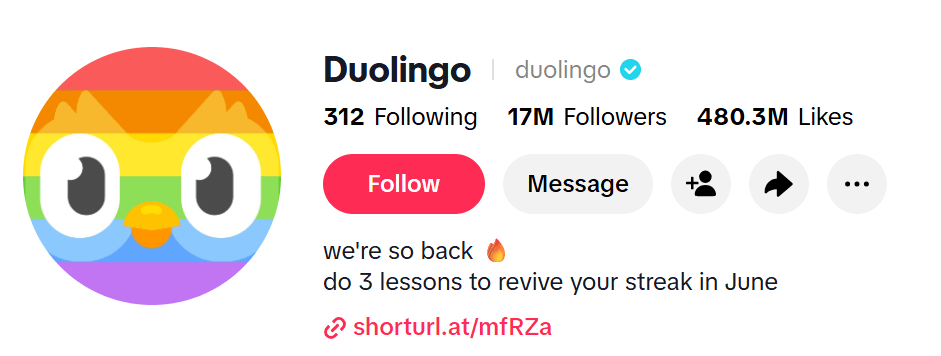
Example: Duolingo on TikTok
Duolingo turned its mascot into a chaotic, meme-driven personality, creating content tailored to TikTok culture. This approach drove millions of views and industry-leading engagement.
Read further: What marketers can learn from Duolingo’s TikTok strategy
Widgets / Tools Used:
- TikTok duet & stitch features
- Embedded short-form video players
✅ Takeaway: Viral brands don’t just “use” platforms, they speak their language.
4. Encourages User-Generated Content (UGC)
The most powerful viral campaigns turn the audience into creators.
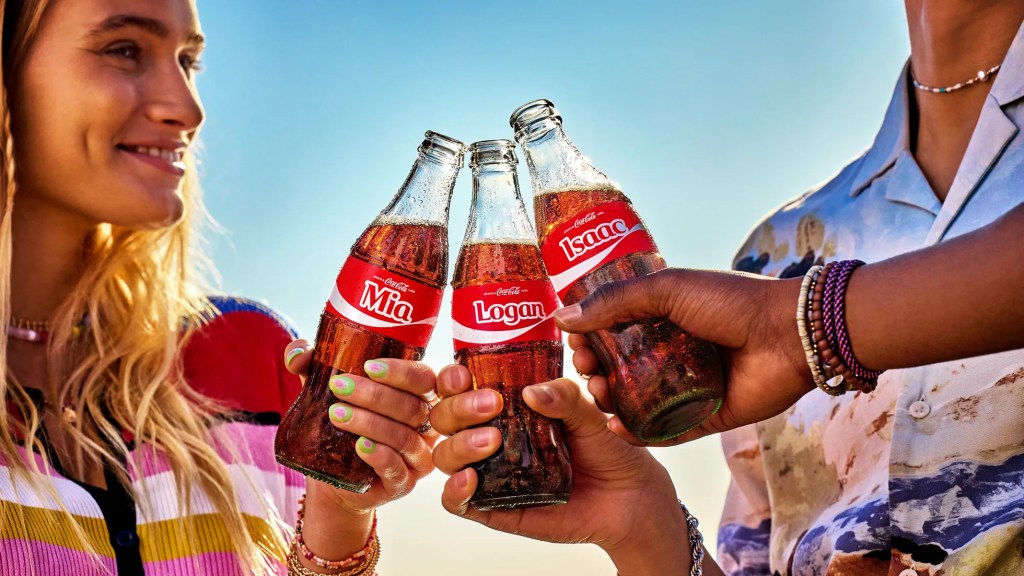
Example: Coca-Cola “Share the Moment” AI bottles
Personalized bottles prompted users to create and share their own content online.
Coca-Cola combined physical packaging with generative AI technology. Fans could scan QR codes on bottles or caps to instantly generate and customize digital labels, which reflected personal moods, events, and locations. These designs could then be saved or shared across social media.
Widgets / Tools Used:
- Submission platforms / contest widgets
- Campaign microsites
✅ Takeaway: When users create the content, reach scales exponentially.
5. Cultural Relevance & Timeliness
Virality often comes from tapping into current trends, conversations, or cultural moments.
Example: Charli XCX’s “Brat” campaign
What started as an album became a cultural identity and social trend, embraced by audiences and brands alike.
The cultural impact of Brat quickly expanded well beyond music, spawning a worldwide “brat summer” aesthetic known for its signature lime-green color palette, unapologetic attitude, and club classics like “Von Dutch” and “360”.
Read further @ The best marketing campaigns of 2024: Part 1

Widgets / Tools Used:
- Real-time analytics dashboards
- Trending hashtag integrations
- Influencer collaboration platforms
✅ Takeaway: The best campaigns don’t interrupt culture—they become part of it.
Final Thoughts
Viral marketing isn’t about chasing views, it’s about designing shareable human experiences. The most successful campaigns consistently:
- Make people feel something
- Keep participation simple
- Leverage platform-native behavior
- Empower users to co-create
- Tap into real-time cultural moments
Ultimately, the brands that go viral are the ones that stop thinking like advertisers and start thinking like creators, entertainers, and community builders.
Follow me at: https://x.com/jscardesigns


Leave a Reply