In today’s competitive retail landscape, social media is more than just a communication tool, it is a strategic lever for brand differentiation. Two dominant mass retailers, Target and Walmart, provide a compelling comparison. While both brands operate in the same industry and target broad consumer segments, their social media strategies reveal distinct approaches to positioning, engagement, and business outcomes.
Target
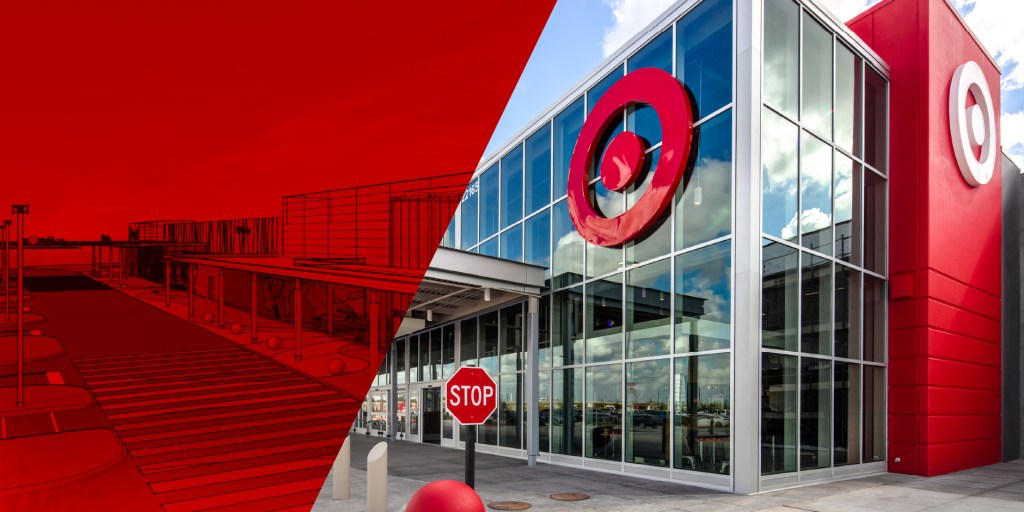
Target has built its social media presence around inspiration, design, and lifestyle. Its platforms, particularly Instagram and Pinterest, feature highly curated, visually cohesive content that emphasizes aesthetics and seasonal trends. Whether it’s a fall home décor collection or a designer collaboration, Target presents its products as part of a broader lifestyle narrative. The brand’s tone is polished and aspirational, encouraging consumers to see shopping not as a chore, but as an experience. This aligns directly with its brand promise, “Expect More. Pay Less.” By elevating everyday products through design and storytelling, Target differentiates itself as a stylish yet accessible retailer. Strategically, this approach drives higher engagement, increases basket size, and strengthens emotional brand affinity.
Walmart
OLYMPUS DIGITAL CAMERA
In contrast, Walmart uses social media to reinforce its leadership in value, convenience, and accessibility. Its content strategy is more functional and utility-driven, focusing on low prices, promotions, and time-saving services like curbside pickup and delivery. Walmart’s presence on platforms such as Facebook and TikTok leans into relatability, featuring family-oriented messaging, influencer partnerships, and short-form videos that highlight deals or everyday solutions. Rather than inspiring aspiration, Walmart addresses immediate consumer needs—saving money and time. This positions the brand as dependable and practical, appealing to a wide, price-conscious audience. Its strategic focus is clear: drive traffic, reinforce price perception, and promote omnichannel convenience.
The Differences
The differences between the two brands are especially evident in tone and execution. Target’s content feels editorial and curated, often resembling a lifestyle magazine. Walmart’s content is more direct and accessible, prioritizing clarity over polish. Target invites discovery, encouraging consumers to browse and be inspired, while Walmart emphasizes efficiency, helping consumers quickly find what they need at the best price. These contrasting approaches reflect different consumer mindsets: Target appeals to shoppers seeking style and enjoyment, while Walmart resonates with those prioritizing practicality.
Platform strategy further reinforces this divide. Target thrives on visually driven platforms where branding and design take center stage, while Walmart performs strongly on high-reach, engagement-focused platforms like TikTok, where content is fast, relatable, and shareable. Walmart’s use of creators and trends helps humanize the brand, while Target maintains tighter control over its brand image through carefully produced content.
To bring this analysis to life in a WordPress blog, several elements can enhance both functionality and user experience. A clear navigation menu (Home, About, Blog, Contact) helps guide readers, while tags such as “Retail Strategy,” “Social Media Marketing,” and “Target vs Walmart” improve discoverability. Embedding videos from each brand’s social channels allows readers to directly compare tone and execution, while images from their feeds visually reinforce brand identity. Hyperlinks to official pages and campaigns provide credibility and depth. Including a contact page with a simple form encourages interaction, and share widgets make it easy for readers to distribute the content across platforms.
Promotion is equally important. Sharing your blog post on Twitter with a concise summary and relevant hashtags, such as #RetailMarketing, #BrandStrategy, and #SocialMedia, can significantly expand reach and engagement.
Quick Get
Category
Target
Walmart
Brand Positioning
Aspirational, design-led lifestyle
Value-driven, practical essentials
Content Style
Curated, polished, visually cohesive
Functional, straightforward, deal-focused
Tone of Voice
Inspirational, editorial
Relatable, conversational
Primary Objective
Inspire discovery & build brand affinity
Drive traffic & highlight savings
Consumer Appeal
Style- and trend-focused shoppers
Price- and convenience-focused shoppers
Platform Strengths
Instagram, Pinterest
Facebook, TikTok
Influencer Strategy
Select, brand-aligned creators
Broad, relatable creator partnerships
Content Themes
Seasonal trends, décor, collaborations
Deals, how-tos, everyday solutions
Shopping Mindset
Browsing & inspiration
Efficiency & need-based
Strategic Role
Elevate brand perception
Reinforce price leadership & convenience
Ultimately, both Target and Walmart demonstrate that effective social media strategy is not about doing the same things better, but about doing different things intentionally. Target differentiates through inspiration and design, while Walmart leads with value and convenience. Their success highlights how aligning social media content with core brand identity and strategic goals can create meaningful and lasting competitive advantage.